

7 Common Rental Maintenance Issues Owners Face: and How Professionals Prevent Them
 Rental properties are valuable income-generating assets, but they also come with ongoing maintenance challenges that can quickly erode returns if not handled proactively. Many property owners underestimate how small issues when ignored can escalate into costly repairs, tenant dissatisfaction, and even legal complications.
This blog explores the most common rental maintenance issues owners face, how professional property management prevents them, and why proactive maintenance is critical to protecting long-term rental ROI.
Top Rental Maintenance Issues Owners Face
Understanding the most frequent maintenance challenges is the first step toward protecting your investment. In today’s competitive market, every property requires consistent attention, and ignoring early warning signs can quickly impact both value and tenant satisfaction. Owners who manage multiple units or operate in high-demand areas often experience higher property usage, which increases wear and tear across key systems.
Plumbing Leaks and Water Damage
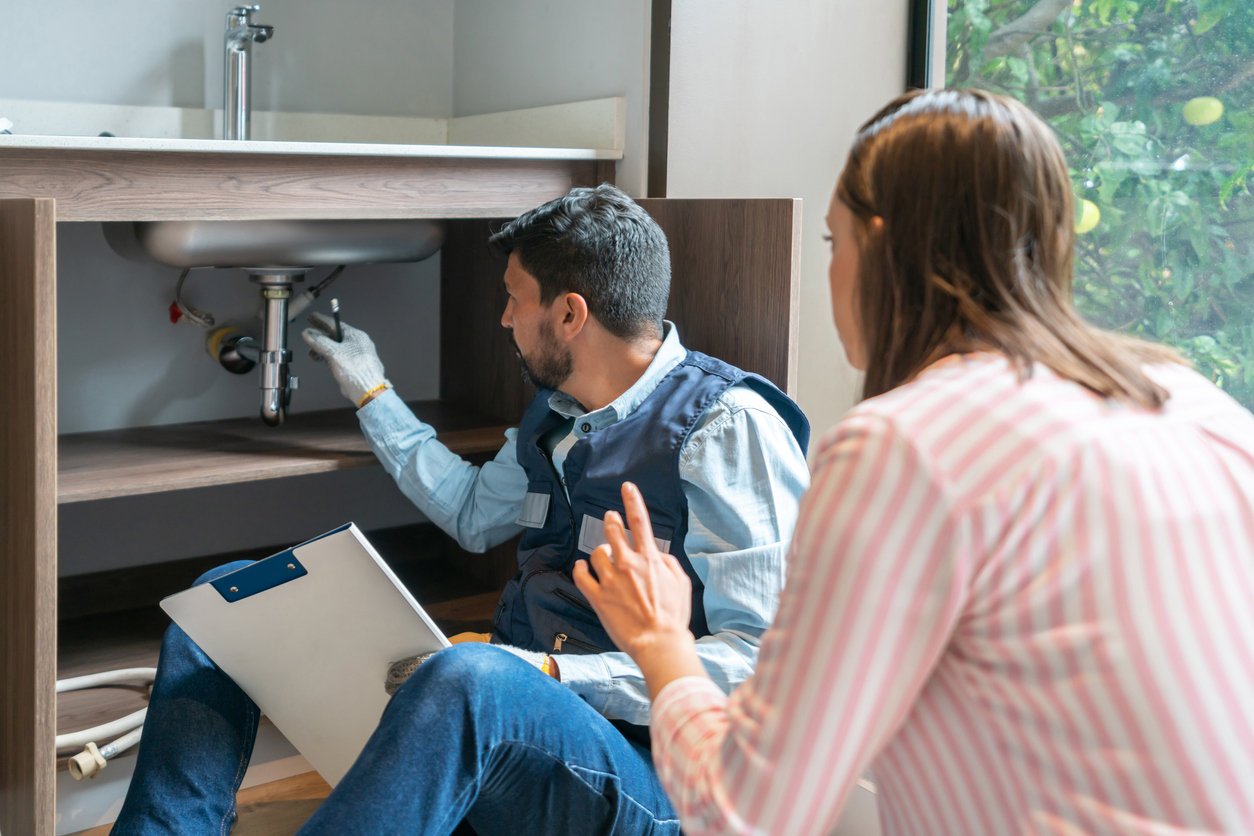
Plumbing issues are among the most persistent concerns in any rental property. Small leaks in pipes, faucets, or fixtures often go unnoticed until visible damage appears. Over time, even minor water issues can lead to mold growth, wall damage, and weakened structural elements. In multi-unit setups, a single plumbing failure can affect multiple sections of a property, increasing repair complexity.
HVAC System Failures
Heating and cooling systems play a vital role in tenant comfort and overall property appeal. When HVAC systems are not maintained properly, they become inefficient and prone to sudden breakdowns. This is especially critical during extreme weather conditions when tenants rely heavily on temperature control. A poorly maintained HVAC system can also increase energy costs, making the property less attractive to tenants.
Electrical System Issues
Electrical problems can create serious safety risks within a rental property. Outdated wiring, overloaded circuits, or faulty installations may lead to power disruptions or hazards such as electrical fires. Many older properties face these challenges due to aging infrastructure. Without regular inspections, these issues often remain hidden until they cause noticeable damage.
Roofing and Structural Wear
Roofing is one of the most critical components of any property, yet it is often overlooked until damage becomes visible. Exposure to weather conditions gradually weakens roofing materials, leading to cracks, leaks, and insulation problems. Structural wear can also develop over time, especially in older properties. If left unaddressed, these issues can affect the overall stability and safety of the property. Preventive maintenance and timely repairs help extend the lifespan of structural elements and maintain consistent property performance.
Pest Infestations
Pest infestations are a common but underestimated issue in rental properties. Rodents, termites, and insects can cause significant damage to walls, wiring, and wooden structures within a property. In addition to physical damage, pests create health concerns that can impact tenant satisfaction and retention. Infestations tend to spread quickly, especially in densely occupied properties, making early intervention crucial. Regular pest control measures help protect the property and ensure a safe living environment for tenants.
By addressing these common issues proactively, owners can maintain the quality and reliability of their property while avoiding unnecessary expenses. Consistent maintenance not only improves tenant experience but also strengthens the long-term value and performance of every property in the portfolio.
How Property Managers Prevent Costly Repairs
Preventing expensive repairs in a rental property is not about reacting quickly when something breaks. It is about building a system that reduces the chances of breakdowns in the first place. Professional property managers focus on structured processes, consistent monitoring, and strategic planning to ensure that every property operates efficiently. This proactive approach minimizes unexpected expenses, protects long-term value, and creates a smoother experience for both owners and tenants.
Routine Inspections and Early Detection
One of the most effective ways to prevent costly repairs is through regular inspections. Property managers schedule periodic checks to assess the condition of key systems such as plumbing, electrical, and roofing. These inspections help identify minor issues before they develop into major problems. For example, detecting a small leak early can prevent extensive water damage and costly restoration work. Early detection ensures that each property remains in stable condition and avoids sudden financial strain.
Preventive Maintenance Scheduling
A structured maintenance schedule is essential for keeping every property in optimal condition. Instead of waiting for systems to fail, property managers plan routine servicing for HVAC units, plumbing systems, and other essential components. This approach ensures consistent performance and reduces the likelihood of emergency repairs. Preventive maintenance also extends the lifespan of equipment, allowing owners to manage their property more efficiently while avoiding frequent replacements.
Access to Reliable Vendor Networks
Property managers maintain relationships with trusted contractors and service providers. This network allows them to address maintenance issues quickly and at competitive costs. Instead of searching for vendors during emergencies, property managers rely on pre-vetted professionals who understand the requirements of each property. This not only speeds up the repair process but also ensures quality work, reducing the risk of recurring issues within the property.
Efficient Tenant Communication Systems
Clear and responsive communication plays a key role in preventing maintenance problems. Property managers provide tenants with simple ways to report issues, often through digital platforms or dedicated support channels. When tenants can easily report concerns, problems are addressed faster. Quick reporting helps prevent minor issues from escalating, ensuring that the property remains well-maintained and operational at all times.
Compliance and Safety Management
Staying compliant with regulations is another important aspect of preventing costly repairs. Property managers ensure that each property meets safety standards and legal requirements. Regular checks for electrical systems, structural integrity, and safety equipment help reduce risks and avoid penalties. Compliance-focused management not only protects the property but also enhances its credibility and long-term stability.
By combining inspections, preventive maintenance, strong vendor relationships, and effective communication, property managers create a system that minimizes risk and maximizes efficiency. This proactive approach ensures that every property is maintained consistently, reducing unexpected expenses and supporting long-term investment success.
If you want to reduce unexpected repair costs and protect your rental income, partnering with experts can make all the difference. New Age RE team helps property owners implement proactive maintenance strategies that keep properties running smoothly while maximizing long-term returns.
Why Proactive Maintenance Protects Rental ROI
Maintenance is not just an expense it is an investment in the long-term performance of your rental property. A proactive approach ensures stability, efficiency, and sustained profitability.
Reduces Long-Term Repair Costs
Addressing issues early prevents them from escalating into major repairs. Small, consistent maintenance expenses are far more manageable than sudden, high-cost emergencies.
Improves Tenant Retention
Well-maintained properties create a better living experience. Tenants are more likely to renew leases when maintenance requests are handled promptly and efficiently, reducing vacancy rates.
Preserves Property Value
Regular upkeep ensures that the property remains in good condition over time. This not only protects its market value but also enhances its appeal to future buyers or investors.
Enhances Operational Efficiency
Proactive maintenance reduces downtime and disruptions. Systems function more efficiently, leading to fewer emergencies and smoother property operations overall.
Strengthens Investment Stability
Consistent maintenance creates predictable expenses and stable cash flow. Investors can plan more effectively when unexpected repair costs are minimized.
Conclusion
Rental maintenance is one of the most critical aspects of property ownership, yet it is often overlooked until problems arise. The most successful property owners understand that waiting for issues to surface is a costly strategy.
By identifying common maintenance challenges and adopting a proactive approach, owners can significantly reduce expenses, improve tenant satisfaction, and protect their investment. Contact New Age RE property management for transformation, bringing structure, expertise, and efficiency to every aspect of maintenance.