

On this page
Why Is Your Colorado Rental Vacant, and What Can You Do About It?
An empty rental in Colorado costs more than missed rent. If you're wondering how to reduce rental vacancy without cutting your asking rent, start by checking what may be slowing the lease: your listing, showing availability, response time, or application process. According to U.S. Census Bureau data, Colorado’s rental vacancy rate rose from 4.5% in 2024 to 5.8% in 2025, suggesting renters had more options statewide.
This doesn't automatically mean your property is the problem. Competition varies by location and rental type.
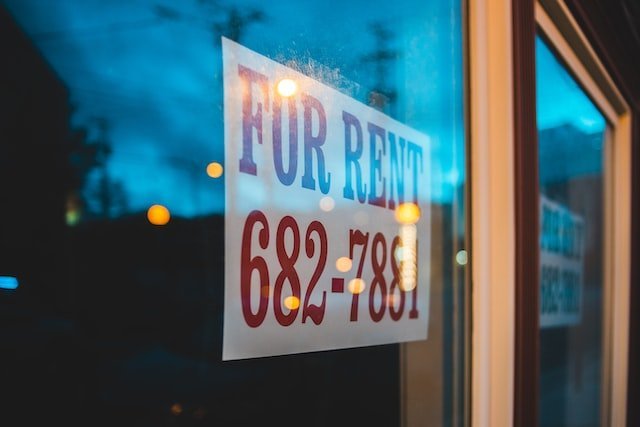 Whether you own in Centennial, Denver, Lone Tree, Arvada, Boulder, or Thornton, the goal is to reduce vacancy without giving up rent unnecessarily. New Age Real Estate’s property management services help owners coordinate pricing, marketing, viewings, and tenant screening. Before lowering your rent, look at the parts of your leasing process that could be driving potential tenants away.
How Can Colorado Rental Owners Reduce Vacancy Without Cutting Asking Rent?
When rental competition increases, lowering the asking rent may seem like the quickest way to attract tenants. But Colorado property owners can also respond to local market conditions, seasonal demand, and competing rental incentives to make their properties more appealing while protecting rental income.
Let's look at market-focused strategies that can help Colorado rental owners reduce vacancy without immediately sacrificing their asking rent.
Strategy 1: Time Your Colorado Rental Listing Around Seasonal Demand
Colorado's rental market doesn't move at the same pace all year. Spring and summer typically bring more moving activity, while late fall and winter can mean fewer active renters and longer waits for a suitable applicant. Zillow's rental data identifies May and June as particularly active months nationally, while Denver rents have historically tended to peak in July and dip in December.
For owners with a vacant rental in Colorado, planning around these seasonal patterns can help protect the asking rent.
Here are four ways to make seasonal timing work in your favor:
Prepare before the spring rush: If a tenant's lease ends in late spring, begin planning repairs, photography, and listing details before the rental becomes vacant. This helps you reach renters who start searching ahead of a planned move.
Use summer demand strategically: In markets such as Denver, Centennial, and Arvada, monitor competing rentals as summer activity builds. More renters may be searching, but more properties can also enter the market. Make sure your listing clearly communicates the rental property's value.
Plan ahead for winter vacancies: If your rental is likely to become vacant in November or December, prepare for potentially slower demand across Colorado’s rental market. Arrange viewings flexibly, keep listing information current, and consider reasonable lease-start flexibility rather than immediately reducing rent.
Review lease-end dates early: Where rental lease terms and tenant circumstances allow, consider whether future renewal dates can align more closely with stronger local demand periods in Colorado. Plan well in advance and comply with applicable notice requirements.
Property Management Insights: Colorado's seasonal rental demand can make lease-end timing a financial decision, not just an administrative one. Local property managers like New Age Property Management recommend starting renewal conversations around 90–120 days before lease expiration, giving owners time to review market conditions and plan ahead.
For more context, read Zillow's guide to the best time of year to rent an apartment. Its national data includes Denver-specific seasonal rent patterns, making it a useful reference for Colorado rental owners.
Keep in mind: Seasonal patterns are a planning guide, not a guarantee. Local competition, property type, and the number of similar rentals available should still shape your decision.
Strategy 2: Make Your Colorado Rental Stand Out Against Newer Properties
When renters have more properties to choose from, older rentals in Colorado may face tougher competition from newly built communities offering modern finishes and move-in incentives. The Denver metro area recorded a 7.6% stabilized apartment vacancy rate at the end of 2025, reflecting a market where newly delivered rental units increased competition for tenants. For Colorado rental owners, highlighting a property's practical advantages and overall value can help it stand out without immediately lowering the asking rent.
Here are four ways to make your Colorado rental more competitive:
Highlight the advantages newer properties may lack: Does your rental offer a larger living area, private yard, established landscaping, convenient parking, extra storage, or a quieter setting? Make these features prominent in your listing. Renters compare the overall value of a property, not just its age or monthly rent.
Showcase practical upgrades: If your Colorado rental has updated appliances, energy-efficient features, in-unit laundry, or improved flooring, include these details in your listing and photographs. Focus on improvements that renters can see and use rather than making vague claims about quality.
Compare the complete rental offer: Newer properties may advertise free rent or move-in incentives. Compare their effective rental cost, included amenities, fees, and lease terms with your own property before deciding how to respond. A well-maintained rental with useful features may remain competitive without matching every concession.
Use local market comparisons: Competition varies across Colorado. A rental in Aurora or the Denver International Airport corridor may face different pressures from one in Boulder or Centennial. Compare similar properties in your immediate area rather than relying solely on statewide rental trends.
Property management insight: New Age Real Estate's property management team can be a useful starting point for owners who want support evaluating their rental and its position in the local market.
Before updating your listing, use Zillow's rental advertising guide as a practical checklist for presenting property features, utilities, parking, and upgrades clearly. The goal is to give renters a clear reason to choose your Colorado property. When the value is visible and the asking rent reflects local competition, you can make a stronger case for your rental without rushing to cut the price.
Strategy 3: Make Your Colorado Rental Easier to Budget for Without Cutting Rent
A prospective tenant may like your Colorado rental but hesitate when the full cost of moving in is unclear. Monthly rent is only one part of the decision. Utility costs, deposits, parking charges, and other applicable fees can influence whether a renter chooses your property or continues searching.
Instead of reducing the asking rent immediately, make the total cost of renting your property easier to understand and compare.
Here are four ways Colorado rental owners can reduce cost-related hesitation:
Present the complete rental cost upfront: Clearly explain the monthly rent, which utilities are included, which expenses the tenant pays separately, and any applicable fees. Transparent listings help renters compare properties without having to chase down missing details.
Explain the value behind the rent: If your Colorado rental includes parking, appliances, outdoor space, or other useful features, make those benefits clear alongside the asking rent. Help prospective tenants understand what the monthly payment covers.
Review move-in costs for unnecessary friction: Check whether your application process, payment requirements, or move-in arrangements create avoidable obstacles. Keep charges and requirements clear, consistent, and compliant with applicable Colorado laws.
Consider targeted incentives before a permanent rent reduction: Depending on your property's economics, a limited concession or a practical move-in arrangement may help attract a qualified renter without permanently lowering the advertised monthly rent. Calculate the cost before offering an incentive.
If you're weighing the cost of an incentive against the income a vacant rental loses, review how Colorado owners can track rental property income and expenses. That financial picture can help you decide which option makes sense for your property.
The goal is to make your rental financially understandable and appealing to prospective tenants. When renters can see the full value and cost clearly, you give them a stronger reason to consider your property without automatically cutting the asking rent.
Need help evaluating your rental strategy? The New Age Real Estate team can help Colorado property owners assess their rental, review market positioning, and coordinate the leasing process.
Colorado Rental Vacancy FAQs: What Owners Should Know
Reducing rental vacancy in Colorado requires more than setting the right rent. Local demand, seasonal conditions, and competition can all influence how quickly a rental property attracts its next tenant.
Here are four common questions Colorado rental owners should consider before making their next move.
Q1: Which Colorado areas should rental owners compare before changing their strategy?
Compare similar rental properties in your immediate market rather than relying on statewide averages. Rental demand and asking rents can vary between Denver, Boulder, Arvada, Centennial, and surrounding communities.
If you'd like to check whether your rental property falls within our service areas in Colorado, explore our areas we serve page.
Q2. What should Colorado rental owners do if a property stays vacant during winter?
Review competing rental listings, keep photographs and availability details current, and make viewings convenient despite winter weather. If inquiries remain low, reassess how your rental compares with similar properties before reducing the asking rent.
Q3. Should Colorado owners lower rent when competing rentals offer concessions?
Not automatically. Compare the total rental cost, included features, and incentives offered by competing properties. A targeted concession may be worth considering if it costs less than extending the vacancy, but calculate its impact before deciding.
Q4. When should a Colorado rental owner consider professional property management?
Consider professional support when a vacant rental repeatedly takes too long to rent, managing inquiries becomes difficult, or you lack time to coordinate marketing and tenant screening. New Age Real Estate's property management team can help owners evaluate their rental strategy and manage the leasing process.
Ultimately, the right vacancy strategy depends on your Colorado rental, its local competition, and the cost of leaving it empty.
Your Colorado Rental Can Turn a New Page
Every Colorado rental has the potential to become a stronger investment with the right approach. Let vacancy be an opportunity to rethink your next move, protect your rent, and build a more rewarding future as a Colorado rental owner.